The Secret Map

Travel Essays by Simon Slater

  • Warriors of Phitsanulok

    Phitsanolok, northern Thailand. December 2024.

    Still plenty of fights.

    So read a text message from Mark, a fellow Brit I’d bumped into as I was on my second crawl under a long boat inside a temple, for luck, I’d been told.

    I knew of Mark before our paths had crossed as the hostel he ran was one of only two places in Phitsanolok, northern Thailand, that my Google search told me rented out scooters.

    His bikes were taken but he invited me to a Muay Thai kickboxing event, taking place the following night on the outskirts of town.

    I was able to procure a 125 Honda something and from my hotel rode out the next day to the far east of the province. An hour and a half’s worth of motorway and solid concentration paid off with a spectacular array of limestone karsts, much like you see in the south of the country.

    Later that night I happened upon Phitsanolok’s huge Saturday market and adjoined, elaborate staged entertainment with singing, dancing, and a Thai Santa being comically violated by a transgender woman, twice. Thai-style light entertainment for all the family.

    When Mark’s text came through, I jumped on a Grab bike, walked through the crowd at JP Boxing Gym, and Mark ushered me into the ringside area.

    It was a mosty Thai lineup, although one of the most interesting match-ups was between Mark’s friend, Sean, a stocky, hard-hitting Australian fighting a leaner local lad.

    Phitsanulok province is known as the birthplace of Muay Thai. It is one of the oldest cities in Thailand and was at one time the nation’s capital. Despite it’s cultural heritage, its gorgeous, lively central temples, and its dramatic scenery, the entire province has no mention in The Lonely Planet.

    The tracks, presumably like some of the fighters this night, remain unbeaten here in Phitsanulok. I was in awe of the athletes and enamoured by the rowdy atmosphere.

    Whilst the visual narrative paints a picture of victory for Sean, the Australian actually lost his fight, although his opponent was quick to offer him his proverbial flowers by bowing deeper and longer than John after the decicion.

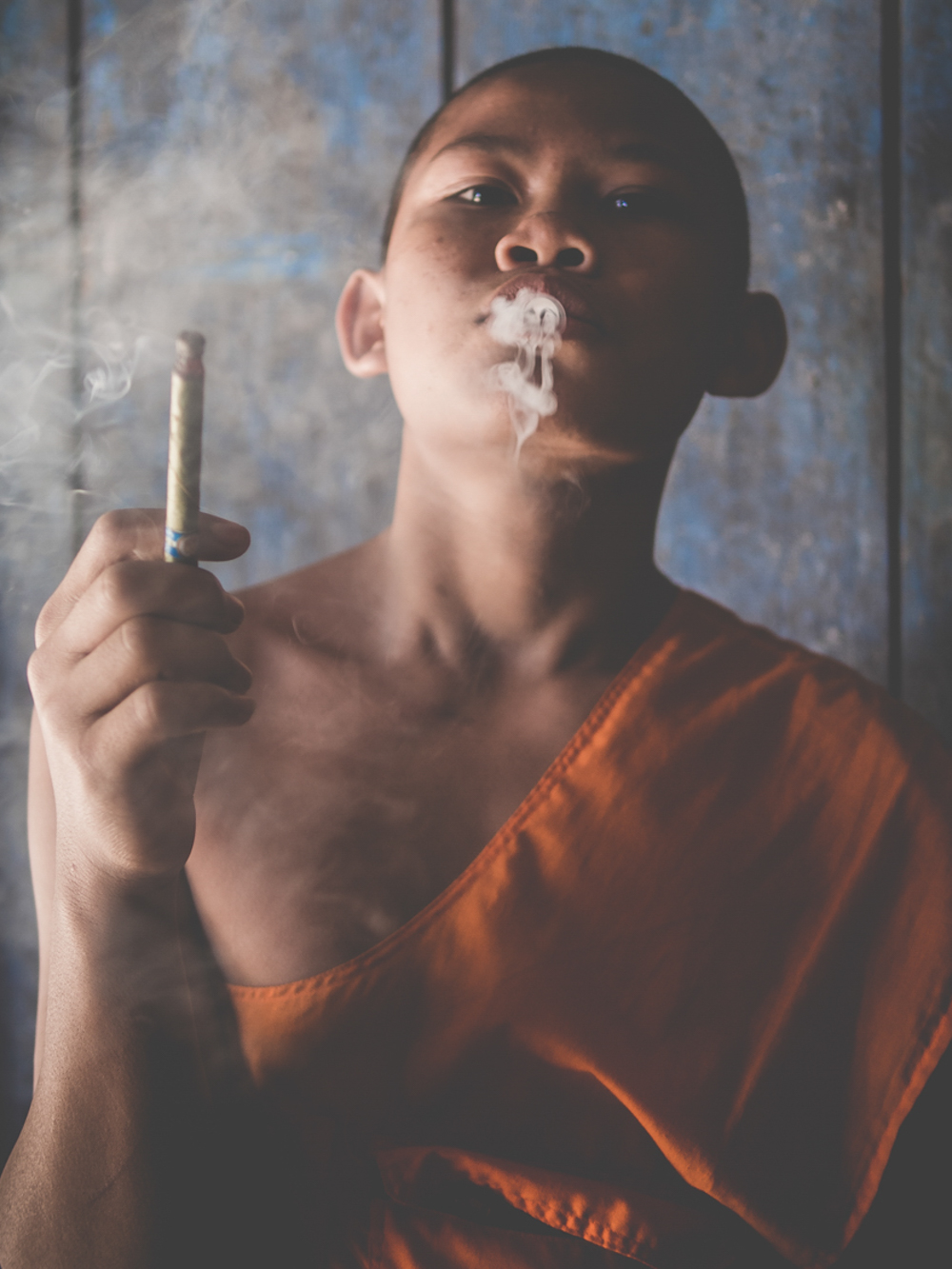
    Muay Thai, despite being a brutal, is beautifully balletic at times, and surprisingly amusing with some of the taunting facial expressions fighters make toward each other throughout rounds. The floored fighter in the final shot was the man in the earlier portrait. From the punishing opening blows of his fight, it was either going to be him or his rival gracing the canvas.

    Perhaps, like the lands they reside in, they had a history.

  • The Lisbon Redemption

    Lisbon. April, 2024.

    “Hello.”

    “Hi”

    “Travelling, are you?”

    “Yes.” I replied, slightly baffled.

    A young Irish gentleman had been waiting for me to finish my morning pan au chocolate and coffee on my final day of a week-long trip to Lisbon, and confronted me with a positive yet beguiling stretch of small talk After this strange bout of niceties he cut to the chase and explained that he’d traced a GPS signal to my building. The tracker was attached to 13,000 pounds worth of personal electronics which had been recently stolen from his apartment. The police, who I’d seen questioning him outside a short time earlier, couldn’t do much to help him enter the building, frustratingly.

    I let him know that I was, alas, not the culprit, and shared my own hazy story of how I had lost my valuables the year before in southern Lisbon, albeit almost certainly through my own fault as it was late and I was coming back from a bar. A year of attempting to recollect the sequence of events that led to the hollow feeling of returning home without my beloved camera and lenses, valuables totalling 3K, and photographs from 10 days of traveling the country was met with the consolidatory “It could be worse” from friends and colleagues. Of course It could, and this young man, defiantly wearing a beaming smile was proof.

    His positivity was a stark contrast to my sunken state a year before when, on the 11th day of a two-week trip that had up until that point been a cultural deep dive and much-needed destresser, I found myself two of my main drivers of any trip – music and photography. As couples, families, and locals passed me by on the streets and I traced my steps in vein, I wondered: “What am I even doing here on my own?”.

    One of the most common questions I am asked when I announce an upcoming trip is “Who are you going with?” Usually I reply that I’m going solo. But without a camera in hand, those questions suddenly made sense. With a camera slung around my waist, traveling with a friend is more of an optional extra than a necessity for me.

    The Irishman said he was going to move to the coast with his partner and start afresh, and in keeping with his unfathomably chirpy and affable vibe, invited me to stay with him whenever I came back. What a guy. Whilst I wasn’t quite as stoic as he had been after my little own blip, I had huge a sense of gratitude that I was leaving Portugal this time with my camera firmly in my bag, my bag firmly on my back, and photographs firmly backed up.

  • The Secret Island

    South Thailand, September 2022

    The concept of ‘The Secret Map’, the name of this platform, is about taking the road less travelled.

    Arriving at Patongon, Thailand’s largest island’s provincial capital, via a night train from Bangkok, is as beaten a path as it gets.

    But I wasn’t just there to explore.

    I was on the hunt for a quality dentist to finish off root canal surgery that had now spanned three countries – Japan, England, and now the Land of Pearly White Smiles.

    Phuket is essentially a big resort, which opened up many options and I found and even made an initial appointment with what looked like the perfect place. After a few days of zipping about on two wheels, I began to get an itch for somewhere less developed.

    Just across the sea is the province of Krabi, whose craggy, rugged beauty I’d wandered at through a coach window years before and a place I’d wanted to immerse myself in since then. Seeing there were reputable dentists there, I hopped on a ferry.

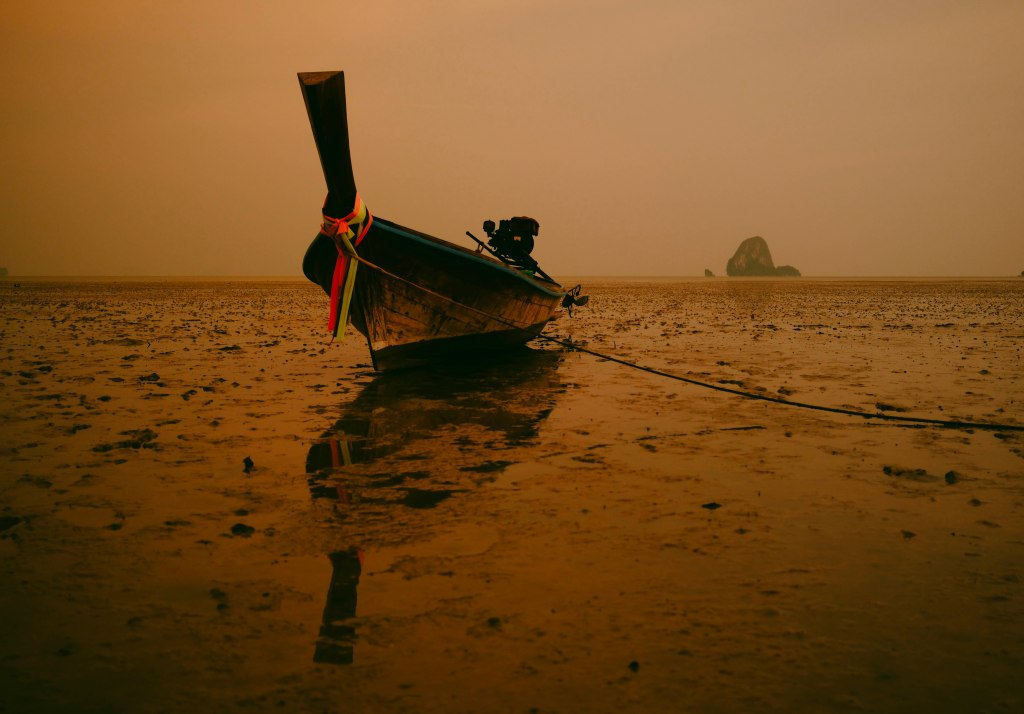
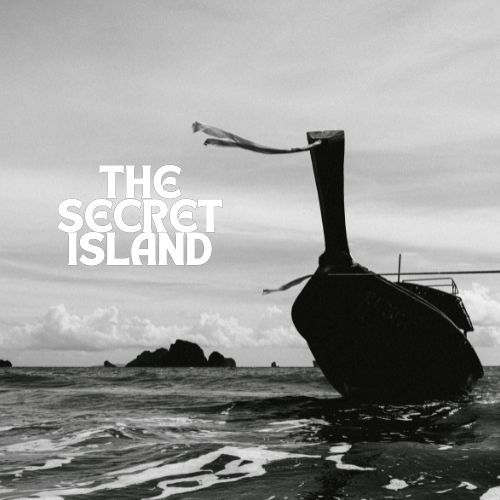
    Arriving at Krabi’s main port feels like arriving on the most tropical of islands; sweeping sandy beaches play host to mingling long-tail fishing boats as limestone karsts loom in the backdrop.

    It’s a half a world away from Phuket.

    Ao Nang is an L-shaped coastal strip of a town, and seems built as a jump-off point to the islands and the nearby beaches of Phra Nang of Ton Sai, only accessible by boat.

    Whilst it’s a bonafide tourist town, you can clear Ao Nang in a heartbeat on a scooter where it gets beautifully rural in the most fantastical way, with dramatic limestone mountains passing you by as you snake satisfyingly along near-empty, smooth winding roads.

    After hearing about it so often on previous trips to SE Asia, I waited for enough people to fill a boat, and strode into waist-deep water with my backpack above my head. I was the only person to get off at Ton Sai beach, or about 15 minutes of rocky paddling to get to where the boat coudln’t. The place has reputation as a rock climbers haven, and whilst there were a couple of climbers, the post-pandemic, out-of-season neighborhood guesthouse and shop (only two businesses were open), seemed completely derelict and frankly depressing, despite the friendly cartoon-like monkeys.

    Nearby Phra Nang and it’s sister beach, along with the Thai rasta bars living their post-legalisation best lives, were much more the ‘island life’ I was looking for, at least for a brief overnight stay. The waist-deep water and uncertainty of which, if any boats, would take me and a random assortment of other backpackers back to Ao Nang the next day made for an uncomfortably satisfying sense of a 24-hour adventure.

    After the dental work was completed – four and half hours of torture – I had time to push into parts unknown. Over twenty years since Alex Garland’s debut novel The Beach gave me and millions of others a sense of wanderlust to find the perfect slice of tropical bliss undiscovered by the crowds.

    After looking at Krabi’s island options, I thought I may have found it.

    Koh Yao Noi is seemingly off the radar; there are no full moon parties, tattoo parlours, fire shows or elephant rides. Best of all, that influencer couple drowning out your hard-earned sunset bliss with their shitty tinny little drone.

    Like in Pai.

    Jesus, I can hear it now.

    BZZZZZZZZZZZZZZZZZZZZZzzzzzzzzzzzzzzzzzzzzzzzzzZZZZZZZZZZZZZZZZZZZzzzzzzz.

    zzzz zzzzzz

    *influencer man changes batteries*

    zzzzzz zzzzzzzz

    BZZZZZZZZZZZZZZZZZZZZZZZZzzzzzzzzzzzzzzzzzZZZZZZZZZZZZZZZZZZZZZZZZZZZZZZZ

    There’s nothing to do for your typical holidaymaker on Kho Ya Noi, therefore barely any tourists bother to come, especially during monsoon season where you’ll regularly find yourself under a hail of rainy machine gun fire in a matter of seconds.

    The island is home to a tight-knit muslim community and a plethora of wildlife.

    I had only just arrived at my lodgings when a psychotic and formidably-sized macaque descended from the forest above my hilltop bungalow, swaggered onto the table, rose up on it’s hind legs, spread it’s arms like Jude Bellingham after a 90th-minute winner and let out a life-threatening, fang-baring snarl.

    After yelling for help, it glanced to see if the staff were coming, then started to root through my bag finding only a bloody, bagged-up wisdom tooth. It left disappointed and left me nearly as traumatised than my time at the dentist.

    The toucan-like birds, Black Hornbills gossiped on branches close to my bungalow and the token bathroom gecko – you know the one – kept me company at night, singing me to sleep with it’s gecko noises to the rhythm of waves slowly washing ashore on the beach below. Ya Noi is also home to the true mascot of southeast Asia, the water buffalo, found dozing in the breathtaking central ricefields of the island.

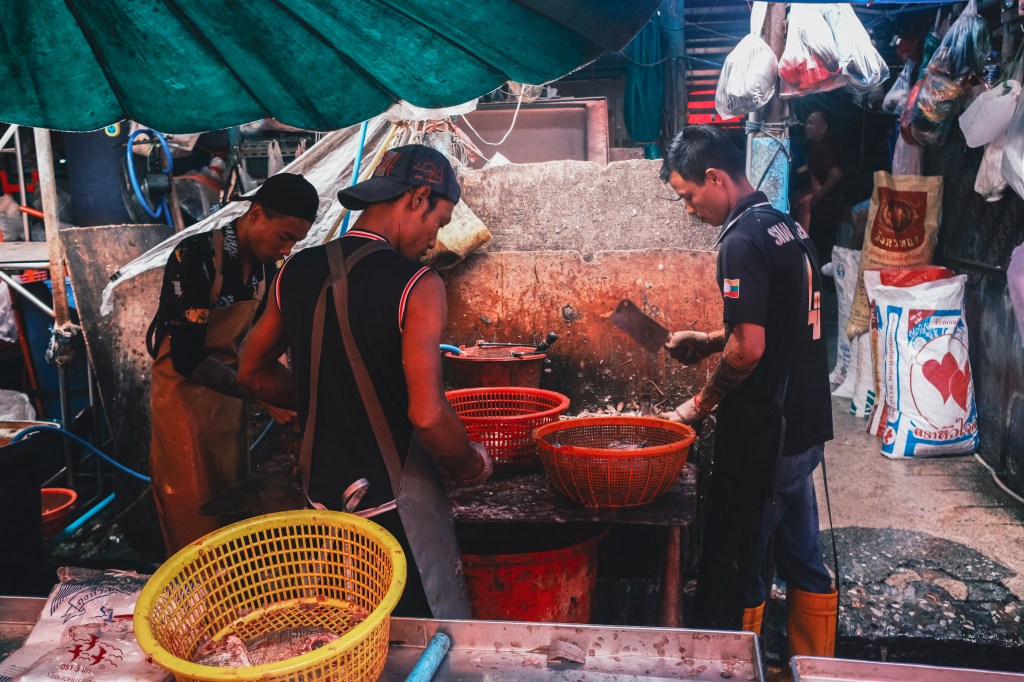
    The town centre is a delightfully simple strip selling fresh fish, fuel from barrels, and offers a few family restaurants. Here I caught glimpses of a few other tourists on the island. Veering off the main roads leads to jolty, narrow paths that pass through tree sap farms – the island’s main hustle – and impossibly perfect sunset views.

    A dramatic, rain-soaked football tournament took centre stage whilst I was there. Although the players were young, the atmosphere was electric, with a huge turnout of supporters cheering them on, trophies on the line, and the live best sports commentator I’ve ever heard.

    Even in a country like Thailand, it’s still easy enough to veer off the well-signposted routes to find a small slice of utopia. So long as you’re satisfied with a less sensationalised and well-catered-to version of where you are.

  • High Tide in Bangkok

    Bangkok, September 2022.

    Thailand is best avoided in September. At least that’s what I’ve read. Between the suffocating oven heat, the shirt-soaking humidity, and the daily blitzes of sheet rain, holidaying here in the cooler dry season makes a lot more sense.

    That said, flights and accommodation are cheaper, the thinning out of the tourist hordes can make for a more satisfying cultural immersion, and having been to Bangkok a number of times, it was fascinating to witness how this mega city operates under the duress of daily lashings of thunderstorms.

    By day, giant lizards glide along a lazy river in central Lumphini Park, and watermelons are slowly sold under the shade of sunbrellas. The humans of Bangkok try to avoid extreme temperature and even worse – tan-inducing effects of the sun.

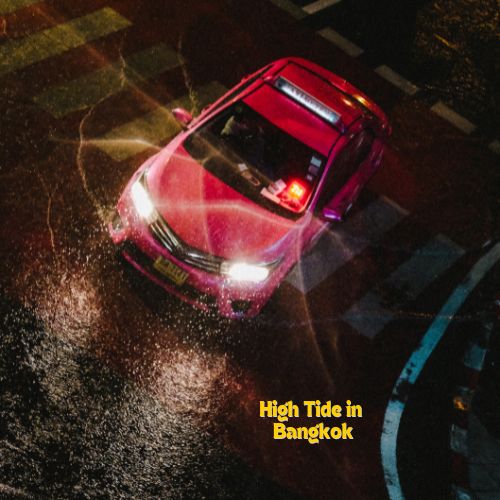
    A single drop of rain signals that it’s time to run for cover as the first crack of thunder erupts and the streets are transformed into the end of days. An umbrella has limited purpose around this time of the year.

    In a tropical storm, armadas of bin bags now sail intently down neon-lit road rivers, and air-conditioned mega malls become air raid shelters with ice creams and cinemas.

    At the time, weed dispensaries had sprung up like very loosely regulated wildflowers, since Mary Jane had been declared a legal substance, a surprising yet very welcome change of stance. I met a couple of former lawyers at a shop there who had jumped at the chance to pack up the soul-crushing hours of their jobs, and pack in the OG Kush.

    Although I had come out on a dental tourism mission, exploring Bangkok and documenting the rainy season was a lot of fun, although I ultimately decided to forgo the better services in the capital and suffer in the paradisical palm-laden shores of the south.

  • Beacons

    It was Autumn, and, finding myself with a stretch of free time from my work in Bristol, UK, I took my friend’s offer to come to stay for a week (although he argues it was two days), which ended up spanning three weeks. Located on the lower hills that rise up to a panoramic sweeping view of the Brecon Beacons, it was a much-welcomed respite from a busy summer living and working in the city.

    ‘Rodge’ asked if I could take shots of his cabin, ‘Hideout on the Hill’, while I was staying. The weather remained defiantly Welsh throughout the stay, but it was nothing that a light raincoat and a pair of hiking boots couldn’t solve.

    In the final set of photos, I met with two childhood friends from my hometown, Hay-on-Wye, to walk from the ‘town of books’, as it’s known, to the top of Hay Bluff, which is part of the Brecon Beacons National park in Wales. We met another old friend at the foot of the Bluff before ascending to the peak and back down into town.

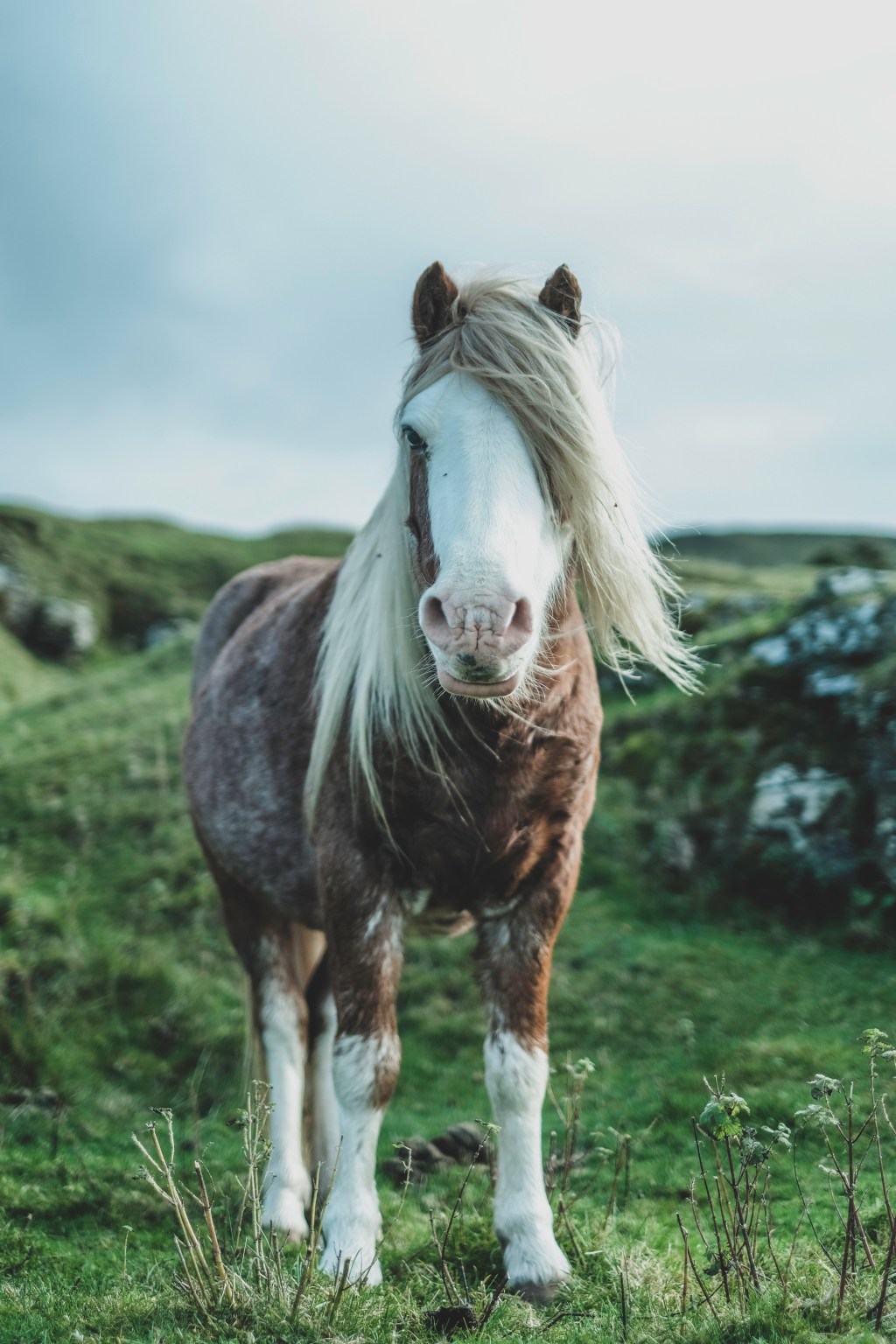
    There are semi-wild horses in the Beacons, but the shetland ponies are Rodge’s part pets, part lawnmowers. They add a mystical dimension to his guests’ city breaks as they briefly escape the endless distractions of city life existence themselves.

  • Projecting Growth

    “Perception is projection.”

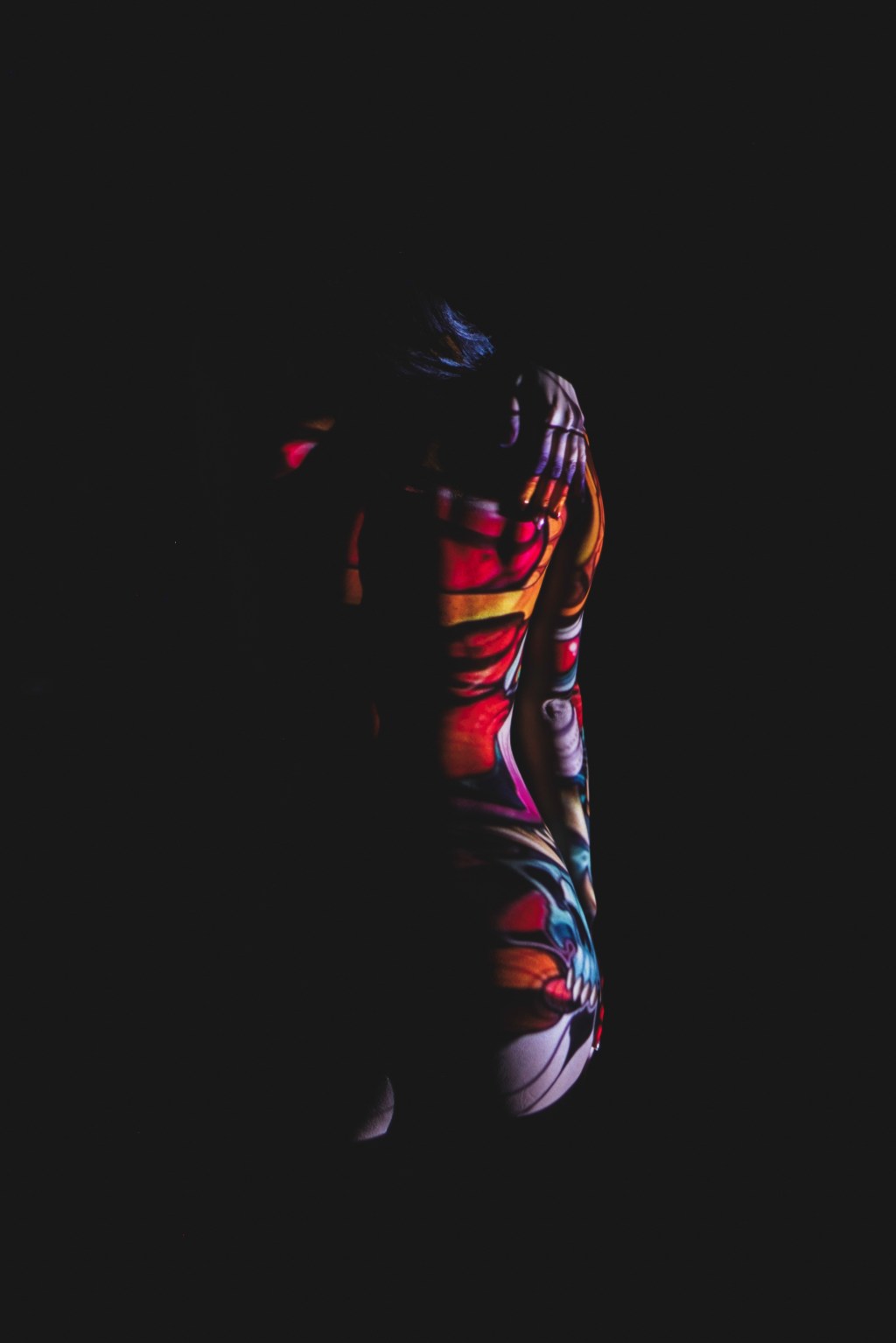
    The following series was taken one evening in a small studio apartment on the outskirts of Yokohama, Japan.

    The idea and execution was spontaneuous, involving a camera, a projector, a traditional dressing gown (yakata), my then partner and by-proxy model, Erico, the brooding resonations of Massive Attack’s Mezannine, and, almost certainly, some choice sake.

    A seemingly obscure Kindle author’s quotes have separated three chapters of a potential story. Perhaps the projector as the only source of light could serve as a metaphor for that which is made explicit, and the unspecified realm illuminated by our more ruminative tendencies.

    Perhaps.

    Enjoy the projections.

    It is only when we are truly alone without someone else to lean on,; left with our own inner solitude that we can undergo a real process of change.

    The introspection that is needed to bring out the light that has dwindled down to ash and reignite the fire of our being.

    So let the darkness shape you, let it reform you, let it cradle you and birth you into a new life; a new way of being.

    Let the spark flame again, in the darkness is where you will find it

    Like a tornado swirling around you, you are the eye of the storm. A front row seat to the destruction of everything you worked so hard to build. But like all tornadoes, the rain will halt and the winds will calm. The pieces that remain from the cataclysmic destruction of your former self, will soon dissolve and you will find that the only thing that was destroyed was the illusion, the attachment. Allowing for you to rebuild a new, a stronger, a more mature, and spiritually evolved you, that you didn’t even know existed. So have faith, this too shall pass.

    Like a butterfly burrowing from its chrysalis, so shall you find your wings, if you only take the time to find yourself.

    The header quote was from Mokokoma Mokhonoana and the narrative quotes were taken from L.J Vanier.

    More of my images can be seen on Instagram at @the_the_secret_map

    Thank you, Erico.

  • Alone in Kyoto

    It was August 2020, I’d flown to Kansai prefecture with my then partner, Erico. She had just three days to return to work in Tokyo, I had about a week to return to my job in Yokohama..

    Narita airport had been the scene of science fictional emptiness you’d imagine an international transport hub in 2020 to be, barren even at the domestic gates.

    Before arriving at our hotel in Osaka, we hopped out between trains for lunch in the usually bustling retro-cool neighbourhood Shinsekai, but were struck by two things. First, the desperation of restaurateurs attempting to lure us in; second, the sauna-like heat.

    After some tasty takoyaki, sunstroke had us dyhydrated and vacuumed to our hotel bed. Walking through the core Osakan shopping arcades later in the cool of the evening, the thinned-out, typically dense human traffic, along with the state of emergency 9pm closing times of high street shops seemed to sap the energy from what is usually a hyper-kinetic, chaotic scramble of bar hoppers and shoppers.

    We took a day trip to deer-dotted Nara in the morning, where electric bikes propelled us around the leafy ancient paradise. Before we immersed ourselves in the parks and temples, we happened upon Erico’s old primary school, situated on the ground of a Buddhist temple in the town centre. It must have been an idyllic place to grow up, no wonder she turned out such a sweet girl. For tourists like us in Nara, the absence of crowds was a blessing, although some of the locals may have mixed feelings about it.

    Erico’s final day was spent in Kyoto, where I spent my remaining time on the trip. Like Osaka’s Shinsekei area, the shop owners, usually so reliant on tourist yen, were often at the entrances tempting us in with discounts. Erico was happy to take advantage of this for her omiyage – souvenirs for friends and coworkers.

    The next morning we said goodbye, leaving me alone in the city.

    The intense heat of Kyoto’s basin territory meant that few people, myself included, dared venture outside in the middle of the day unless they needed to, and the traditional holiday period known as ‘obon’ had fallen at this time, so not only were outsiders not flocking in, but many locals had shut up shop and returned to their hometowns.

    Suddenly, one of the most popular cities on the planet found itself a little lonely.

    Or perhaps, like me, it was merely contentedly alone.

    Thank you to the Water and Light Project for printing and exhibiting the following photograph at their exhibition at SOCO Cafe, as part of Kyoto’s photography festival Kyotographie.

  • Sketches in Time

    “The first I heard of the beach was in Bangkok, on the Ko Sanh Road.”
    ― Alex Garland, The Beach

    ”What’s your passion?” an inquisitive new roommate asked as I was rummaging through the jumbled mess of my backpack.

    It was January 2015, and we’d both recently arrived at beach guesthouse ‘Done Right’, on the outskirts of Cambodian seaside town Sihanoukville, south of the capital Phnom Penh.

    There wasn’t much to Otres beach when I first visited in 2009. It seemed to have a castaway appeal to it’s dozen or so beach bars that were there at the time, but not enough to hold the attention of my then mid-twenties self enjoying the hedonistic thrills of Sihanoukville’s main backpacker zone of Serendepity Beach – now a distant memory in the wake of a Chinese casino boom that has claimed the entire town.

    When I visited Serendipity in 2015, however, where once was an off-the-beaten track magnet for travel-hardened characters and weirdos of all varieties, was subsequently a victim of the Lonely Planet effect, complete with hordes of gap yah brats, pop music and cheap neon vests clearly bought from Bangkok’s Kao San Road. Perhaps I’d just grown up (ok, so my 2010 backing wardrobe had it’s share of Khao San vests), or perhaps a good thing just never lasts.

    A day tip to Otres beach, however, revealed the once mostly vacant strip of pristine sand to have developed into a newer, much more chilled out version of what I had love about the place before. Here was where the people of substance came to dwell for a week or two, or a year, or twelve.

    People like Jacob.

    “I like photography,” I replied. “Yourself?”

    “Illustration. Drawing. I’m into Muay Thai too,” replied the skinny kid with an Aussie accent and a broad, self-designed chest plate.

    It didn’t take long for Jacob to become Done Right’s artist in residence, and began to sketch out what would be his first ever mural, which would greet guests on arrival. The focus of his piece was a Cambodian woman’s smiling face, inspired by a local lady named known to all as ‘Mom’, who, although in her twenties, was thought of as the mother of Otres to many of otres’s foreign settlers.

    For his artistry, Jacob received full board. I was asked to document Jacob’s project for a reward at the end of my stay. There was another gentleman too painting traditional Cambodian aspara dancers behind the bar at the same time. One Sunday evening we were treated to a beautiful display of the dance from local women, during Done Right’s ‘Family Dinner’, where a huge meal is served to the local community alongside a variety of performances.

    Unfortunately, like almost all of the businesses in Sihanoukville and Otres, Done Right had been taken over by Chinese interests when I revisited at the turn of 2019, and the once pure shores were awash with pollution, trash, and building materials from Chinese landscape that has risen out of nowhere.

    Here today, gone tomorrow. The cycle of creation.

    Mum was and is still holding on strong though, as resilient as Chinese bamboo. She took good care of me on that last visit, thanks Mum!

    I didn’t stay to see the completion of the piece, so the final photograph is taken from Done Right’s Facebook page, which is currently documenting the new location they are building, looking as eco friendly as their old place and affiliated school.

    Life, as Ian Malcom once said, finds a way.

    You can see Jacob’s recent tattoo work on Facebook and Instagram.

    My recent photography is updated on Instagram.

  • Streets of Cuba

    After over a decade of Buena Vista Social Club catapulting me into their fiery, sensual and rum-soaked world from the CD age through to Spotify, the opportunity arose to finally visit the promised land.

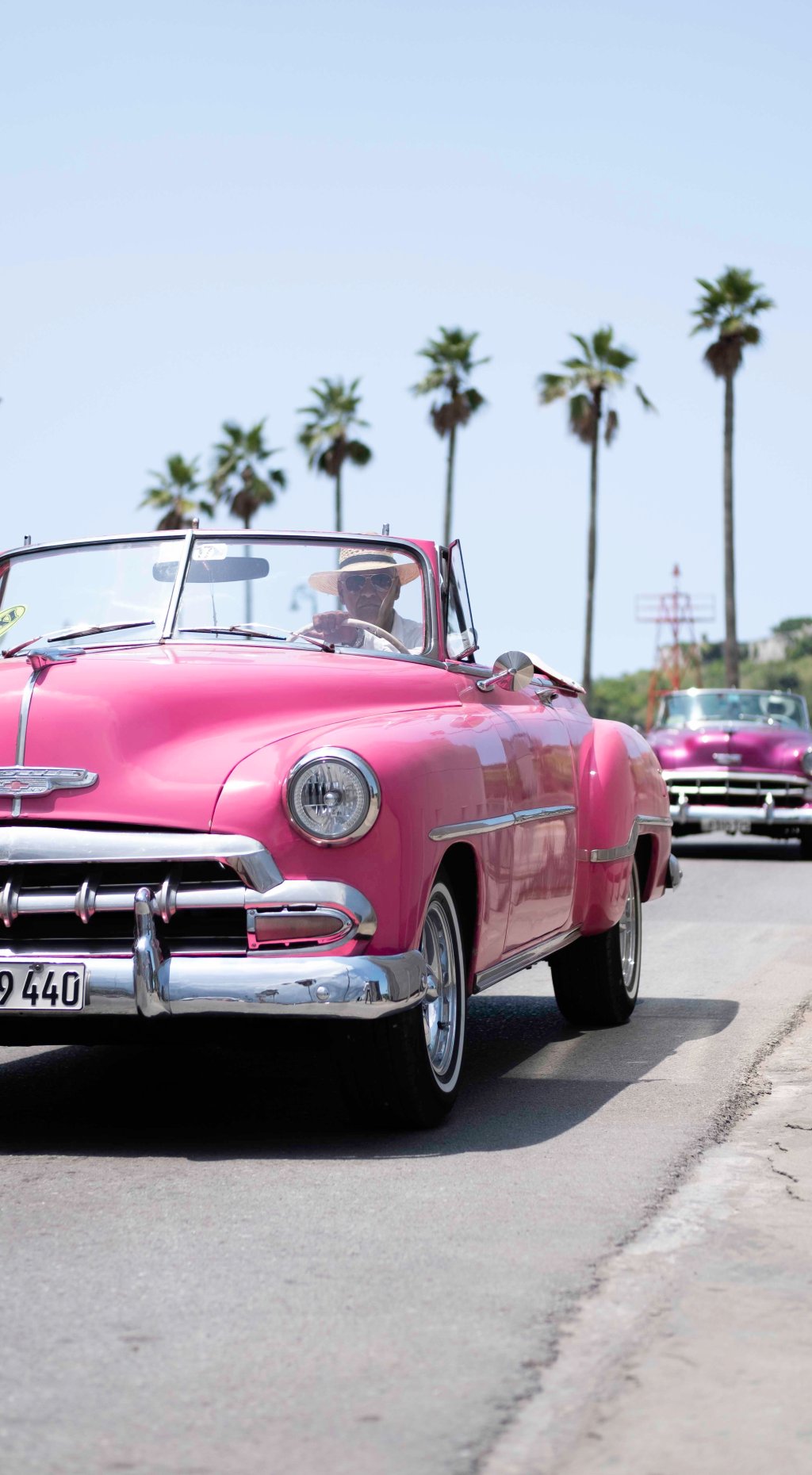
    The album, as much a classic as Cuba’s vintage cars, had been both the initial seed and continued influence for me to visit this Caribbean island, where decaying walls blossom into richer, more textured creations and where music spills out into the potholed streets from smokey bars full of laughter.

    As my clunky, funky, 50’s era taxi rolled into Havana, a tsunami of sensations surged through my bones. The streets, ablaze with the vibrant colours of cars, people. and colonial architecture, were a beautiful chaos.

    My Fuji XT20, which I’d downsized from a short-held but beloved D750 back to this lighter, tighter, stealthier mirrorless camera, and a system, was gasping for breath. I left it be until the following day, opting to absorb my immediate surrounds of Centro Havana with the five senses alone. They’d never been more stimulated.

    I’d booked a homestay on a street identical to the Buena Vista Social Club album cover. After checking in, I spent the the afternoon relaxing on my balcony, smoking cigars and sipping local beer, watching life unfold below me.

    Over the next two weeks, from Havana, to the limestone karsts of Vinales, to the cobbled, horse-drawn streets of Trinidad, goosebumps occurred daily. Perhaps it was the absence if abundant, sedative internet access that gave me the feels. Wifi zones were restricted to parks and certain neighbourhoods. Despite a plethora of smartphones, there were no smartphone zombies, yet.

    Beyond the romanticism, Cuba is a country in need of serious change. A private taxi driver here can make more in one day than a doctor does in a month. I met a waitress who quit her job as a lawyer to make more money serving at a restaurant. The inequality that the revolution fought against seems to be arising out of the Government’s slowly lessening grip.

    If you visit Cuba, I’d urge you to bring any supplies you can spare to give out. Even items like a can opener or an old belt is appreciated, and especially hygienic products. There’s a huge satisfaction in seeing your donations being instantly received by those in need, plus, it’s a good excuse to clear out your own living space. You’ll be surprised by how well-received they are.

    Here are some images made over the two weeks.

    This image has an empty alt attribute; its file name is dscf4044.jpg
    This image has an empty alt attribute; its file name is dscf9224.jpg
    This image has an empty alt attribute; its file name is dscf9644.jpg
    This image has an empty alt attribute; its file name is dscf8395.jpg
    This image has an empty alt attribute; its file name is dscf9707.jpg
    This image has an empty alt attribute; its file name is dscf9601.jpg
    This image has an empty alt attribute; its file name is dscf9282.jpg
    This image has an empty alt attribute; its file name is dscf3898.jpg
    This image has an empty alt attribute; its file name is dscf8446.jpg
    This image has an empty alt attribute; its file name is dscf8368.jpg
    This image has an empty alt attribute; its file name is dscf8558.jpg
    This image has an empty alt attribute; its file name is dscf9295.jpg
    This image has an empty alt attribute; its file name is dscf8408.jpg
    This image has an empty alt attribute; its file name is dscf8497.jpg
    This image has an empty alt attribute; its file name is dscf9122.jpg
    This image has an empty alt attribute; its file name is dscf9523.jpg
    This image has an empty alt attribute; its file name is dscf8797.jpg
    This image has an empty alt attribute; its file name is dscf8499-2.jpg
    This image has an empty alt attribute; its file name is dscf9595.jpg
    This image has an empty alt attribute; its file name is dscf8462.jpg
    This image has an empty alt attribute; its file name is dscf9101.jpg
    This image has an empty alt attribute; its file name is dscf8920.jpg
    This image has an empty alt attribute; its file name is dscf8937.jpg
    This image has an empty alt attribute; its file name is dscf1959.jpg
    This image has an empty alt attribute; its file name is dscf1581.jpg
    This image has an empty alt attribute; its file name is dscf1587.jpg
    This image has an empty alt attribute; its file name is dscf9272.jpg
    This image has an empty alt attribute; its file name is dscf9323.jpg
    This image has an empty alt attribute; its file name is dscf9337.jpg
    This image has an empty alt attribute; its file name is dscf3994.jpg
    This image has an empty alt attribute; its file name is dscf9241.jpg
    This image has an empty alt attribute; its file name is dscf9187.jpg
    This image has an empty alt attribute; its file name is dscf2184.jpg
    This image has an empty alt attribute; its file name is dscf8376.jpg
    This image has an empty alt attribute; its file name is dscf8458.jpg
    This image has an empty alt attribute; its file name is dscf2143.jpg

    To see more of my Cuban galleries, you can visit the collections of Saki and Aki, Jewell, and check out Michel’s gallery.

    For an incredible photographic series and write up about a community in Cuba, take a look at Oded Wagenstein’s The Void we Leave.

    For information on Cuba’s wage disparities, this is a great short documentary:

  • Returns: Cambodia

    There’s a point in time after yet another reckless headfirst turn into a hurtling fury of construction vehicles that your heart ceases to alien-burst through your chest and you just decide to lean back and accept your fate.

    As with other aspects of Cambodia’s recent development, the journey along the two-lane highway between Phnom Penh and Sihanoukville has speed sitting dominantly at the wheel, leaving safety a nervous passenger.

    If observing Phnom Penh’s dramatically expanding skyline was testament to how Chinese investment is transforming the Kingdom of Wonder, at the opposite end of the highway, which lays side by side with an emerging Chinese-invested 2-billion dollar superhighway, lies Kampong Som, or Sihanoukille, as it’s otherwise known,.

    If you’ve visited this place ten, five, locals say even two, years ago, there’s no way to prepare yourself for the dystopian heart of darkness that awaits these days on Cambodia’s once-low key south coast.

    Ubiquitous construction sites and towering casinos are evidence of the most dramatic manifestation of China’s neo-colonialist ambitions along their 900-billion dollar New Silk Road.

    The horror, the horror.


    ‘Snooky’, as it’s affectionately called, wasn’t exactly ‘sleepy’ before this, as has been described in recent news articles, since at least as far back as 2009 AK-47 club shootings, bike-chain beatings, crystal meth and Russian gangsters intertwined with the backpacking scene – ‘Sinville’ is it’s other moniker.


    Not that it’s game over yet for Cambodia.

    On a three-country South East Asian trip that included Thailand and Vietnam, I witnessed Phnom Penh’s imposing urban monoliths provide a background to some tastefully gentrified districts which were close to, but not encroaching on traditional markets such as Kandal, pictured later.

    Chinese development was still to make headway onto the ice-white sands of nearby island Koh Rong’s stunning 9km ‘Long Beach’, the northern end being one of my two destinations on this trip. Yet a day visit to the once-pristine Otres Beach revealed that the whole stretch of sand had disgracefully become a dumping ground for the construction projects nearby.

    It was a relief, though, to return to Kampot, two hours along the coast, which was seemingly unchanged, or at least tastefully developed by Sihanoukville’s standards.

    The roads around Kampot have taken a thorough beating from passing construction trucks, and there’s at least one notable high rise in town, but so far it’s holding strong it’s rustic countryside charm, at least before the planned Chinese ferry terminal threatens to pull the rug from under it’s idyllic riverside allure.

    After reuniting with my Canadian friend Scott, who I’d spent a few weeks with on his arrival to the Cambodia four years ago and has since worked as a photographer in Phnom Penh, we ventured out to the salt fields of both Kampot and Kep, a tiny fishing village specialising in crabs.

    At the far end of the Kampot fields we were greeted by Dich Yorn, a refined French-speaking Cambodian gentleman who has walked out to greet me along the dirt path from his house to the fields each visit.

    We also found ourselves invited onto other salt fields where we were allowed to shoot and even try our hand at carrying salt baskets from field to shed by a kindly mother of three. She and her daughter are among the proceeding images.

    Finally, it was a delight to return to a village next to our accommodation on the opposite end of town, among the rice paddies, to revisit a community we’d last been welcomed into four years ago. Doray, a girl I’d made a portrait of atop her family’s water buffalo in 2013, was now 17 years old, and it seemed like her buffalo riding days were behind her as she relaxed in a hammock aside her mother and grandmother. The younger generation were excited to be both in front of and behind Scott and I’s cameras.

    For more context around Dich Yorn and the village community, you can see the first visit here and the second here.

    The following shots are from my most recent trip to the rapidly-changing, yet ever-charming and wildly wonderful, Cambodia.


    This image has an empty alt attribute; its file name is dscf4137.jpg

    Doray, former buffalo rider.

  • Returns: Vietnam

    A stream of motorbikes broke free of the constraints of the road and spilled onto the pavement en masse. The red light seemed to have opened a new flow of traffic as opposed to a cessation of movement. I asked my taxi driver what was happening. He shrugged, “It’s just Monday morning.”

    That was Ho Chi Min city nine years ago. Nine years on in Vietnam’s capital of Hanoi, I watched with astonishment as a young man casually ripped my insoles out from my only pair of trainers before gluing rubber to the undersides. He had initially stopped me on the street to offer to sew up a small hole. It was clear that the same hustle culture I’d seen at that traffic stop nine years before hadn’t hadn’t slowed down one iota.

    Hanoi provided ample street photography opportunities at every corner, and I was glad for the respite that the natural paradise of Ninh Binh, two hours south of the capital, provided; the constant soundtrack of bicycle horns replaced by horns of a buffalo variety.

    After meeting fellow Brit backpacker Laura in a guesthouse in Da Nang city, we rode to Hoi An, a sleepy fishing village where I’d spent nine years reminiscing of as a highlight of my first trip through Southeast Asia. Upon my return, save for the famous crumbling yellow walls, the place was unrecognizable. Mass tourism has transformed it into more of a theme park than a community, with countless businesses selling identical products and waves of Chinese and Korean tourists wading through the streets with cone hats and selfie sticks.

    I later came across a National Geographic article decrying the same phenomenon when the writer had returned to Hoi An after nine years away, coming back at the same time as my first visit. I found this as amusing as it was poignant. In fact, I’m sure the writer saw me, or a version of me, handing out flyers to a bar there to other backpackers and thought “There goes the neighbourhood.”

    The secret map to Hoi An had been leaked long ago; the current line of coaches along the river may be the latest result of the word of mouth spreading, but it seems there had been an oral wildfire since I’d been away.

    The hard-sell hustle of Hoi An hawkers was mercifully replaced on nearby tourist-free Cam Kim island – all rice paddies and organic living – by wide-eyed smiles, hellos, and a general wonderment as to why we’d ventured away from the tourist pig pen of the town across the river.

    Always venture away from the town across the river.

  • Returns: Bangkok

    It was nine years before the following images were taken that I first stepped off a plane and onto the Asian continent.

    Disorientating yet intoxicating in the first week or so on my first visit, each return to South East Asia feels like a homecoming these days.

    Tracing canals, boat-hopping, following train tracks or veering down small alleys in Bangkok can bring you a closer connection to daily life here and the people that make up the heart and soul of this metropolis.

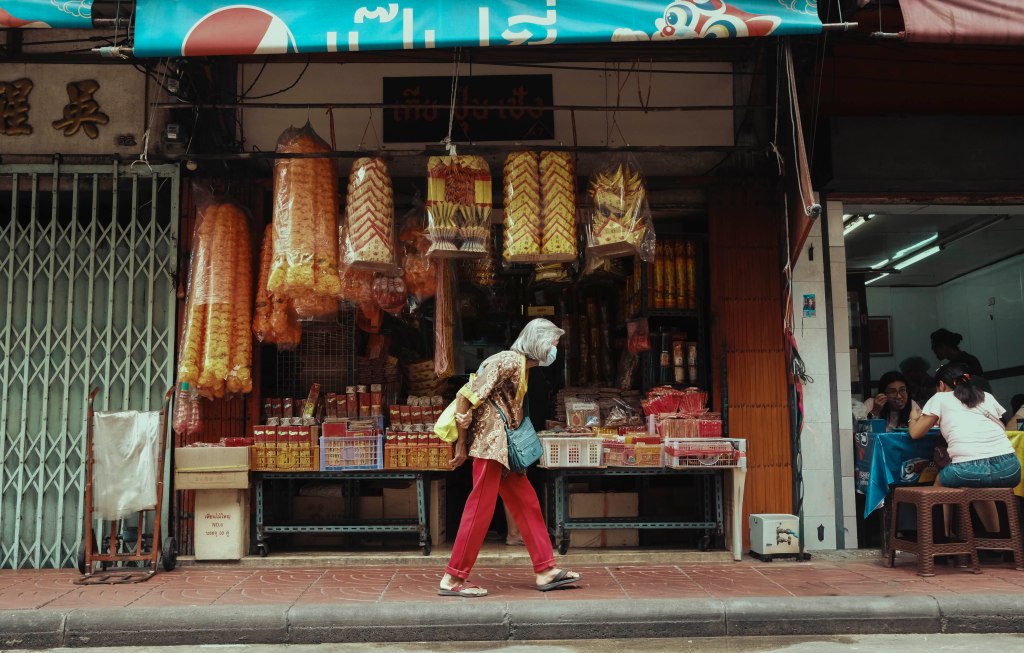
    This time, I was drawn to the Chinatown area that remains a defiantly unpolished part of a rapidly modernizing city.

    As luck would have it, it just so happened to be at the same time as the lunar new year celebrations.

    DSCF1475
    DSCF7452

    DSCF0478

    DSCF0436

    DSCF1149

    DSCF7487

    DSCF7494

    DSCF1157

    DSCF1134

    DSCF1184

    DSCF1183

    DSCF1187

    DSCF0590

    DSCF1470

    DSCF0368

    DSCF4295

    DSCF7735

    DSCF1507

    DSCF1798

    DSCF1663

    DSCF1937

    DSCF1907

    DSCF2315

    DSCF2717

    DSCF1619

    DSCF1985

    DSCF2071

    DSCF2141

    DSCF2568

    DSCF2490

    DSCF1478

    DSCF7443

    DSCF2661

    DSCF2676

    DSCF2825

    DSCF7532

    DSCF7565

    DSCF1435

    DSCF7409

    DSCF7612

    DSCF0286

    DSCF2963

    DSCF1189