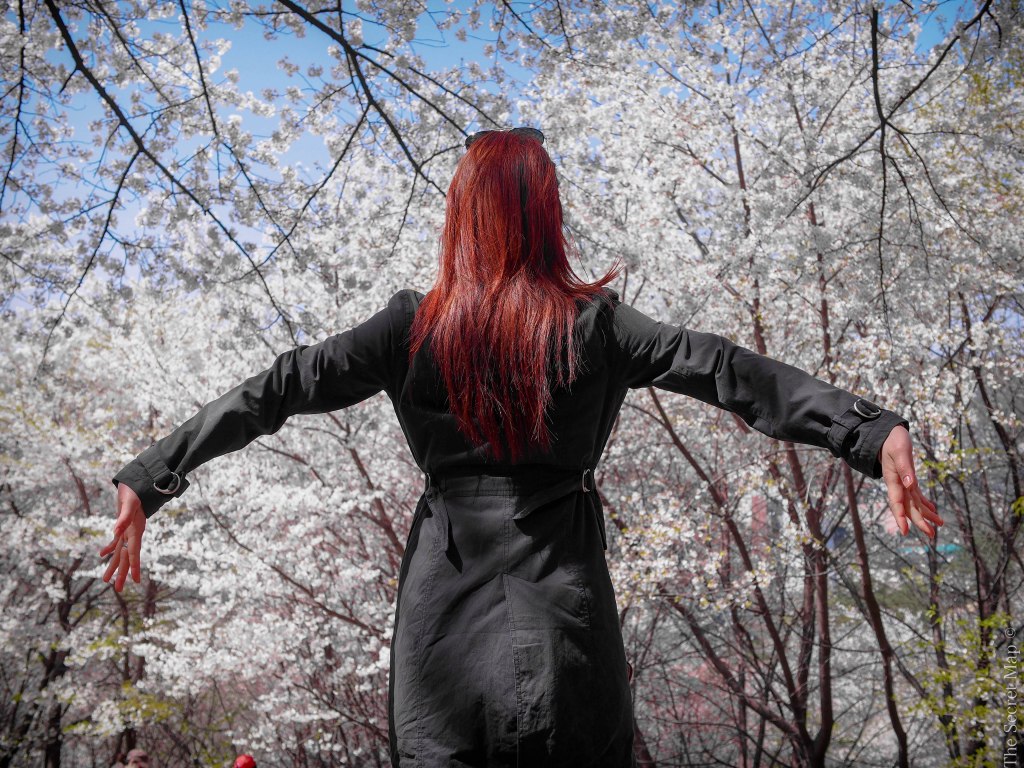
“Nothing is static. Everything is evolving. Everything is falling apart.”
Chuck Palahniuk, Fight Club.
The above statement was made by the character Tyler Durden in the novel and film Fight Club.
Nothing is static. Certainly not in Seoul, a city whose internal cogs move so rapidly it seems there is no brake lever. This concept applies to South Korea’s seasons: distinct, yet over-weighted by the lengthy humidity of summer and vast, icy stretch of winter.
Spring? It’s gone in an instant.
When the first warm winds blow in to loosen winters’ icy grip, Korea’s colours burst into bloom.
Fresh liquor bottles sprout up on the country’s convenience store patios. The unveiling of flesh in the younger generations are reverse-mirrored by the visor – gloves – floral pajama combos of the ubiquitous ‘ajjuma’ – older ladies.
Bright floral displays are frantically sewn into Seoul’s drab grey uniform. One flower, though, bursts into the public’s consciousness above them all and becomes the talk of the town.
The cherry blossom.

At the base of Mount Ansan, northeast Seoul, the cherry trees have been meticulously plotted to give a full immersive dive into an ocean of white waves.

Ansan’s entrance has been crafted as a perfect leisure experience. Classical music emanates from fake rocks, waterfalls descend down carefully placed rocks – the biggest one of flowing at designated times.
Everything in it’s right place.

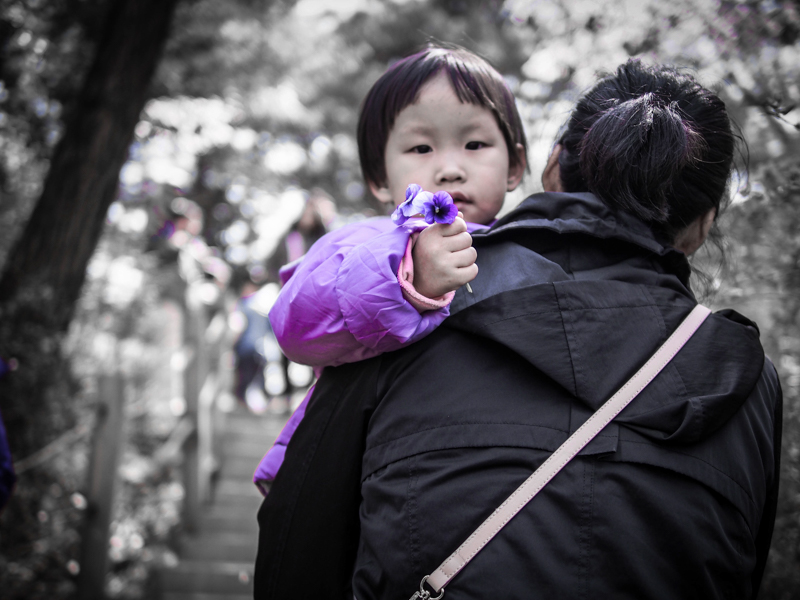
Between the education academies, themed entertainment venues and closely monitored weekend activities, growing up in Seoul resembles Ansan’s nature garden.
Where are the kids running wild, unsupervised, on adventures of their own? Here they’re doing extra homework for their extra class in their extra whatever.
Human life, like much of Korea’s natural environment, is sculpted, overseen, plotted.
Still, the instant access to city mountains like Ansan give them some freedom to play.

“A moment was the most you could ever expect from perfection”, Tyler muses.
We may not be in the same place with the same people or even be around to experience them the next time they appear, but that is the natural law of impermanence.
Nature offers plenty, but it gives no guarantees.
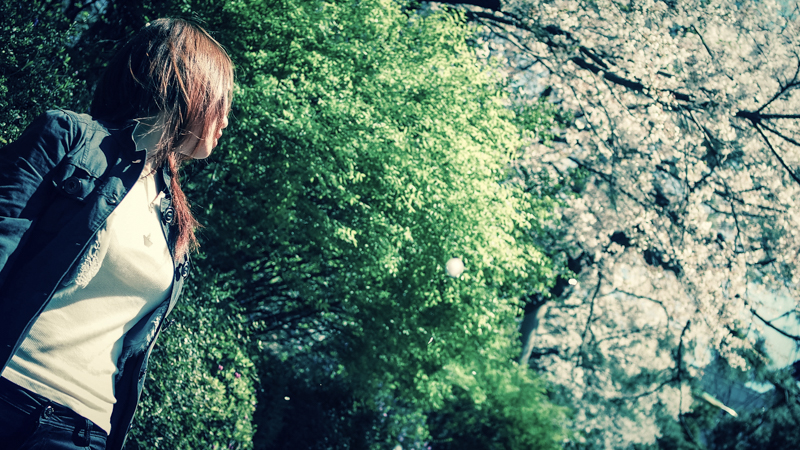
Life can descend as rapidly as it emerges.
When the soft, snow white confetti sprinkle onto the hard, uncaring concrete, we’re reminded once again that nature can be a cruel mistress, offering up her most prized charms but for an instant before wrapping herself firmly in her familiar robe of green.
“You are not special. You are not a beautiful and unique snowflake. You are the same decaying organic matter as everything else”, Durden says.
In a country saturated by skin creams, infatuated with surgery, and fishing for the ever-illusive catch of perfection, perhaps we can learn something from this fleeting flower.
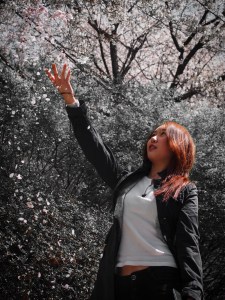
Skin-deep beauty, like the rest of nature, is transient; prone to brief displays of magnificence whilst in a constant state of flux. Observing this in the natural world let’s us reflect upon our own temporal existence.
So don’t frown as the flowers fall, for their beauty can surely be appreciated fully because of their brevity.
Were the spectacle not so brief, there would be less spender. Acknowledge any moments of perfection – be it the sight of a cherry blossom tree or any other passing occurrence.
After all, nothing is static,. Even the Mona Lisa, Tyler says, is falling apart.
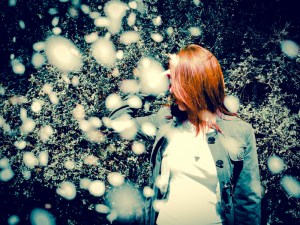
This was part 3 of the Beauty series on Ansan mountain. Click for parts 1 and 2.


Leave a reply to The Transient Beauty of Hong Kong | The Secret Map Cancel reply